13ConcurrentHashMap&Hashtable
本文最后更新于 2021-05-16 07:48:10
ConcurrentHashMap & Hashtable
在多线程环境有一下几种方法实现Map线程安全
- 使用Collections.synchronizedMap(Map)创建线程安全的map集合;
- Hashtable
- ConcurrentHashMap
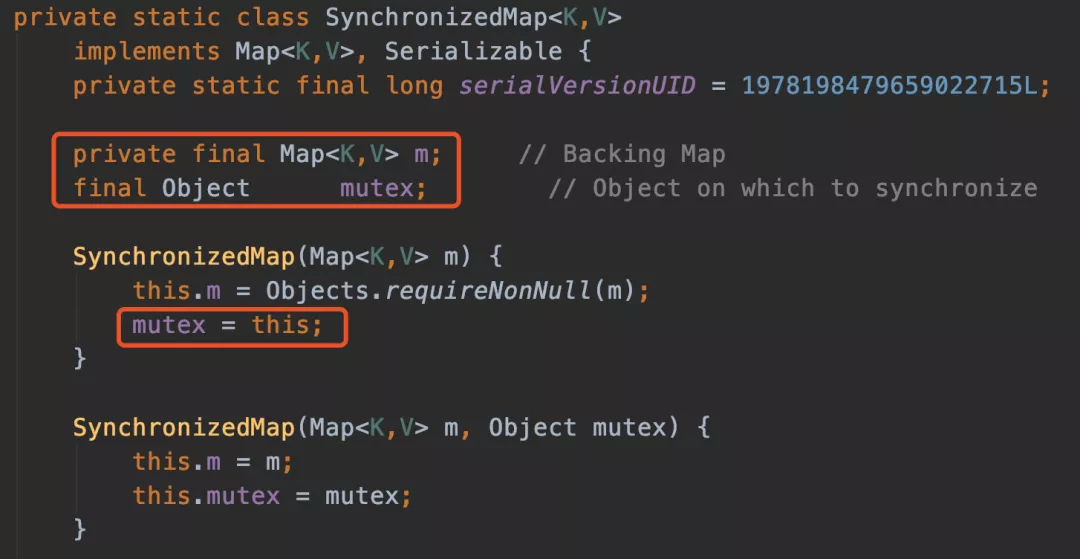
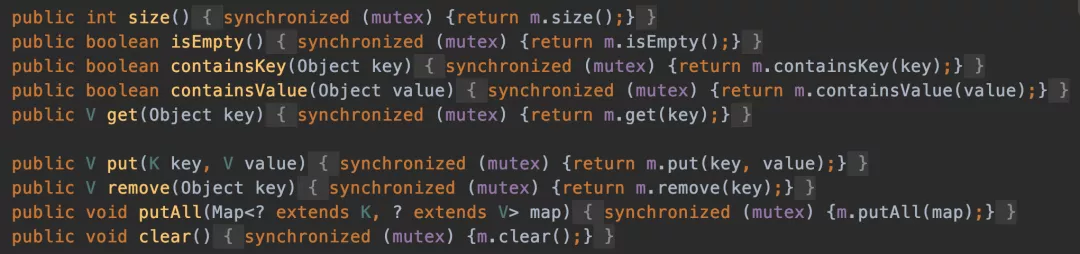
Collections.synchronizedMap(Map)
创建一个新的Map,方法都使用synchronize修饰
HashTable
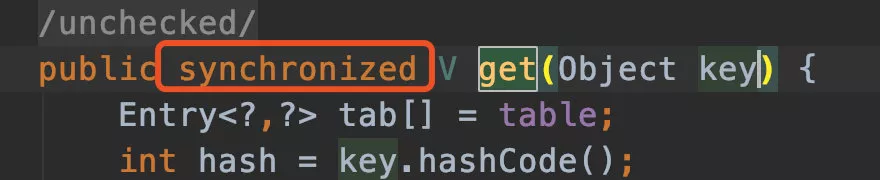
HashTable相似,在方法上加了synchronize修饰
HashTable为什么不允许Key/Value为null
因为在HashTable put的时候判断了是否为null,为null就会抛出异常
如果使用null , 在put/get/contain等操作的时候无法判断是否是存在还是为空,ConcurrentHashMap同理
HashMap与HashTable区别
实现方式不同:Hashtable 继承了 Dictionary类,而 HashMap 继承的是 AbstractMap 类。
Dictionary 是 JDK 1.0 添加的,貌似没人用过这个,我也没用过。
初始化容量不同:HashMap 的初始容量为:16,Hashtable 初始容量为:11,两者的负载因子默认都是:0.75。
扩容机制不同:当现有容量大于总容量 * 负载因子时,HashMap 扩容规则为当前容量翻倍,Hashtable 扩容规则为当前容量翻倍 + 1。
迭代器不同:HashMap 中的 Iterator 迭代器是 fail-fast 的,而 Hashtable 的 Enumerator 不是 fail-fast 的。
fail-fast(快速失败)&fail-safe(安全失败)
fail-fast:是java集合中的一种机制, 在用迭代器遍历一个集合对象时,如果遍历过程中对集合对象的内容进行了修改(增加、删除、修改),则会抛出ConcurrentModificationException。
安全失败(fail—safe)大家也可以了解下,java.util.concurrent包下的容器都是安全失败,可以在多线程下并发使用,并发修改。
ConcurrentHashMap
在jdk1.7中
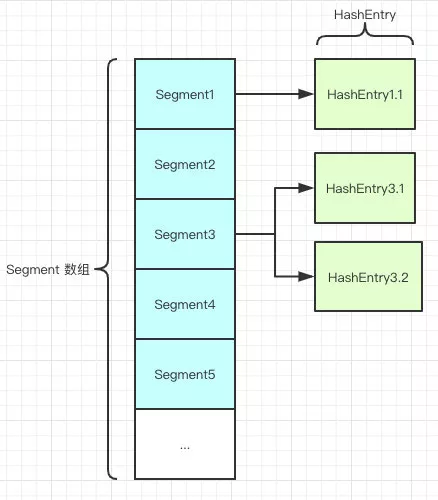
如图所示,是由 Segment 数组、HashEntry 组成,和 HashMap 一样,仍然是数组加链表。
Segment 是 ConcurrentHashMap 的一个内部类,主要的组成如下:
static final class Segment<K,V> extends ReentrantLock implements Serializable {

    private static final long serialVersionUID = 2249069246763182397L;

    // 和 HashMap 中的 HashEntry 作用一样,真正存放数据的桶
    transient volatile HashEntry<K,V>[] table;

    transient int count;
        // 记得快速失败(fail—fast)么?
    transient int modCount;
        // 大小
    transient int threshold;
        // 负载因子
    final float loadFactor;

}HashEntry跟HashMap差不多的,但是不同点是,他使用volatile去修饰了他的数据Value还有下一个节点next。
- 保证了不同线程对这个变量进行操作时的可见性,即一个线程修改了某个变量的值,这新值对其他线程来说是立即可见的。(实现可见性)
- 禁止进行指令重排序。(实现有序性)
- volatile 只能保证对单次读/写的原子性。i++ 这种操作不能保证原子性
ConcurrentHashMap 采用了分段锁技术,其中 Segment 继承于 ReentrantLock。
ConcurrentHashMap 支持 CurrencyLevel (Segment 数组数量)的线程并发。
每当一个线程占用锁访问一个 Segment 时,不会影响到其他的 Segment。
就是说如果容量大小是16他的并发度就是16,可以同时允许16个线程操作16个Segment而且还是线程安全的。
public V put(K key, V value) {
    Segment<K,V> s;
    if (value == null)
        throw new NullPointerException();//这就是为啥他不可以put null值的原因
    int hash = hash(key);
    int j = (hash >>> segmentShift) & segmentMask;
    if ((s = (Segment<K,V>)UNSAFE.getObject
         (segments, (j << SSHIFT) + SBASE)) == null)
        s = ensureSegment(j);
    return s.put(key, hash, value, false);
}
final V put(K key, int hash, V value, boolean onlyIfAbsent) {
// 将当前 Segment 中的 table 通过 key 的 hashcode 定位到 HashEntry
HashEntry<K,V> node = tryLock() ? null :
scanAndLockForPut(key, hash, value); //自旋获取锁,到MAX_SCAN_RETRIES改为阻塞获取
V oldValue;
try {
HashEntry<K,V>[] tab = table;
int index = (tab.length - 1) & hash;
HashEntry<K,V> first = entryAt(tab, index);
for (HashEntry<K,V> e = first;;) {
if (e != null) {
K k;
// 遍历该 HashEntry,如果不为空则判断传入的 key 和当前遍历的 key 是否相等,相等则覆盖旧的 value。
if ((k = e.key) == key ||
(e.hash == hash && key.equals(k))) {
oldValue = e.value;
if (!onlyIfAbsent) {
e.value = value;
++modCount;
}
break;
}
e = e.next;
}
else {
// 不为空则需要新建一个 HashEntry 并加入到 Segment 中,同时会先判断是否需要扩容。
if (node != null)
node.setNext(first);
else
node = new HashEntry<K,V>(hash, key, value, first);
int c = count + 1;
if (c > threshold && tab.length < MAXIMUM_CAPACITY)
rehash(node);
else
setEntryAt(tab, index, node);
++modCount;
count = c;
oldValue = null;
break;
}
}
} finally {
//释放锁
unlock();
}
return oldValue;
}ConcurrentHashMap 的 get 方法是非常高效的,因为整个过程都不需要加锁。
jdk1.8中
其中抛弃了原有的 Segment 分段锁,而采用了 CAS + synchronized 来保证并发安全性。
跟HashMap很像,也把之前的HashEntry改成了Node,但是作用不变,把值和next采用了volatile去修饰,保证了可见性,并且也引入了红黑树,在链表大于一定值的时候会转换(默认是8)。
在数组的某一个元素为空的时候,用cas,如果有元素,就用这个元素作为锁,用synchronized
final V putVal(K key, V value, boolean onlyIfAbsent) {
    if (key == null || value == null) throw new NullPointerException();
    //计算出HashCode
    int hash = spread(key.hashCode());
    int binCount = 0;
    //死循环
    for (Node<K,V>[] tab = table;;) {
        Node<K,V> f; int n, i, fh;
        //判断是否需要初始化
        if (tab == null || (n = tab.length) == 0)
            tab = initTable();
        else if ((f = tabAt(tab, i = (n - 1) & hash)) == null) {
            //如果没有数据就尝试插入数据,失败就走下一次死循环
            if (casTabAt(tab, i, null,
                         new Node<K,V>(hash, key, value, null)))
                break;                   // no lock when adding to empty bin
        }
        //判断是否需要扩容
        else if ((fh = f.hash) == MOVED)
            tab = helpTransfer(tab, f);
        else {
            V oldVal = null;
            //使用synchronize锁写入数据
            synchronized (f) {
                if (tabAt(tab, i) == f) {
                    if (fh >= 0) {
                        binCount = 1;
                        for (Node<K,V> e = f;; ++binCount) {
                            K ek;
                            if (e.hash == hash &&
                                ((ek = e.key) == key ||
                                 (ek != null && key.equals(ek)))) {
                                oldVal = e.val;
                                if (!onlyIfAbsent)
                                    e.val = value;
                                break;
                            }
                            Node<K,V> pred = e;
                            if ((e = e.next) == null) {
                                pred.next = new Node<K,V>(hash, key,
                                                          value, null);
                                break;
                            }
                        }
                    }
                    else if (f instanceof TreeBin) {
                        Node<K,V> p;
                        binCount = 2;
                        if ((p = ((TreeBin<K,V>)f).putTreeVal(hash, key,
                                                       value)) != null) {
                            oldVal = p.val;
                            if (!onlyIfAbsent)
                                p.val = value;
                        }
                    }
                }
            }
            if (binCount != 0) {
                if (binCount >= TREEIFY_THRESHOLD)
                    treeifyBin(tab, i);
                if (oldVal != null)
                    return oldVal;
                break;
            }
        }
    }
    addCount(1L, binCount);
    return null;
}